
Time to CELELBRATE! Celebrate Your DONORS and Celebrate Donor Milestones!
Got really inspired by Donor Relations Guru’s blog, “Celebrating Donor Milestones-Reasons to Ring the Bell” and you’re gonna love these inspired ideas! And better than that, so will your donors! Celebrate with me and watch now!
Category: Donor Renewal

Lapsed Donor Love Letters to Lure & Reel Them Back
We’re focused on the Lapsed Donors and today focus on best lapsed-letter communications to win your donors back and rebuild those wonderful relationships!

How To Win Back Lapsed Donors
Hey! Gotta a LAPSED DONOR PLAN ready to go now? Why? Because this is a perfect time to regroup and reactivate with a plan to rebuild those relationships before it’s too late! Reach out now with these super tips!
How to Write Successful Retention & Acquisition Letters
More Info!
Donor Centric Annual Appeal Letters
In his book, A Fundraiser’s Guide to Irresistible Communications, Jeff Brooks talks about the writing style of fundraisers.
He says successful fundraising writing is the result of decades of experience and it is very unique. In fact, it is so different that it can be a bit of a shock. Business writers might find it to be too casual. Journalists would think it is too repetitive and subjective. And academic writers likely find fundraising writing to be too messy and simplistic. Fundraising letters are simply a different animal.
Knowledge is power!
When fundraising , we know exactly how many donors responded to our letters. We know how much each one gave, we know how many gave again, how much, and how often. Because we know our numbers, we know when we need to change things.
Sense of Urgency
The importance of being urgent cannot be overstated. Tell your donors that immediate action needs to be taken. Let them know what is at stake. Let them know they are important by addressing the letter to one donor.
Storytelling
One of the reasons that donors don’t give is because they think that their gifts don’t matter. To make sure your donors don’t feel this way, tell one story to one person at a time. Tell a particular story about one person your donor’s gift will affect. Don’t say, “your gift will fund our ongoing work.” This makes their gift seem unimportant.
Easy to read
You’ve written a good message. You’ve let your donor know their role. Now you must make it easy to read. Use short words and short paragraphs. The very best grade level to write to for ease of reading is between 4th and 6th grade. This can spell success or failure
Length
Long messages work better. In fact, Jeff’s research showed that in direct mail, the shorter message only does better about 10% of the time. Longer messages are even still holding their own against short messages, tweets, and texts. Watch your donor behavior to determine if long letters are still right for your audience.
Why is long better? There are several theories:
• Aunt Ruth Theory – Many donors, especially baby boomers, just enjoy reading. Jeff named this theory after his aunt who aunt who loved to read long solicitations because it made her feel connected to the causes she cared about.
• Multiple Triggers Theory – Donors are more likely to give when you help them visualize a need and that takes a longer message.
• Hopscotch Theory – Very few people read every word on the page. They bounce around reading a little here and a little there. So the longer the letter the more they might read.
– If the letter is long it may signal to donors that it is more important.
Repetition
In a long letter, it is important to use repetition. Make your ask several times throughout. Put an ask in between each of your other components. If you are serious about raising funds, you really have to ask again and again.
Making Donor Calls Always the Right Call
NOW is the perfect time to catch up on your Donor Calls! Donor Calls Mean Donor Loyalty and Retention, which in turn, means everything to your Non-Profit Success! Here are some summertime call tips from Joy at BlockbusterFundraising.com
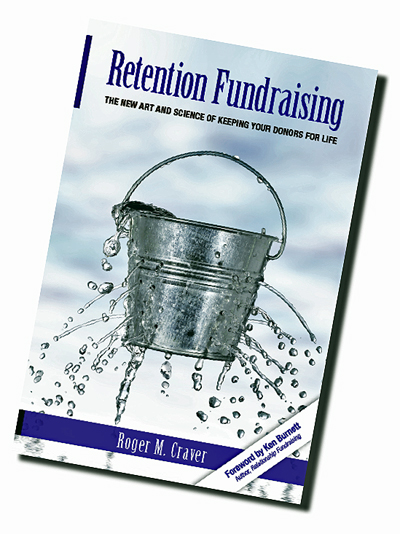
Why Retention Fundraising Matters, Knowing What the Donor Wants!
Donor Retention & Upgrading
Did you know that Individual donors account for 72% of all giving? Just think of how much more you could raise if you could retain and upgrade all of your donors. The sky is the limit! It is essential that you take the necessary steps to not only keep your donors but to encourage them to give more.
How to Retain Your Donors
Your current donors are your low-hanging fruit, your easiest targets. You already know they are invested in your cause and they care about your mission. However, if you don’t handle them correctly, they could very easily take their donations elsewhere. Here’s how to keep them:
Appreciate them!
Organize a call unit to make phone calls to thank them for their past donations. Mention how grateful your organization is for their support in each appeal letter. Make sure they feel special and valued.
Tell them how they made a difference.
What did you do with the last gift your donor sent you? Did it pay for 10 children to attend camp? Buy food for 20 families? Sharing the tremendous impact that your donor made on the lives of others will not only make them feel good about their last gift, it will make them eager to give again!
How to Upgrade Your Donors
A sure way to raise more money for your cause without even having to find more donors is to get your current donors to give more. Some donors tend to send the same check year after year, while others may jump around based on their personal situation. Here are a few ideas for getting them to upgrade:
Suggested giving levels
How will your donor ever know that you could really use $150 instead of the $100 they’ve been sending every year? Simply suggesting a higher gift amount is sure to get your donor to at least consider upgrading. As long as it is done respectfully and thoughtfully, you’ll never offend a donor by suggesting a higher gift amount.
Use specific data
Use specific numbers, goals, and costs when suggesting a donor increase their gift. Tell them why you need it and what it will do. Justify your ask.
Moves Management
The most important thing you can do to upgrade your donors is develop a good moves management program. Look through your donor data and chart out who you plan to upgrade and how you plan to get there. Then, of course, make sure you follow your plan!
How to Handle Downgrades
Some donors are going to downgrade. That’s life. Maybe they were hit with unexpected bills, a job change, or felt like they needed to spend more of their donation dollars somewhere else. Regarding these donors with care and respect is vital. Don’t lose these donors!
Recognition
Form a recognition society based on longevity of giving. This will make your donors realize that they are still important to you. They’ll want to keep on giving to stay in the “club.”
Communication
Keep the lines of communication open. Make sure they are still receiving information about your programs and the impact of their donation. You could even explore other methods of giving from in-kind gifts to planned giving.

RETAIN, RENEW & UPGRADE DONORS TIPS
As you close in on the half-year fundraising mark,
how are you doing with your fundraising goals?
Specifically, How’s Your 2017 Renewal Rate Looking?
Review your Data Now! Make the Extra Effort to be Better Than Ever!
More Information Below:
Giving Levels: https://wiredimpact.com/blog/giving-levels-drive-donations/
Moves Management: http://www.salesforce.org/enabling-moves-management-process-npsp/
RETAIN, RENEW & UPGRADE
Did you know that Individual donors account for 72% of all giving? Just think of how much more you could raise if you could retain and upgrade all of your donors. The sky is the limit! It is essential that you take the necessary steps to not only keep your donors but to encourage them to give more.
How to Retain Your Donors
Your current donors are your low hanging fruit, your easiest targets. You already know they are invested in your cause and they care about your mission. However, if you don’t handle them correctly, they could very easily take their donations elsewhere. Here’s how to keep them:
Appreciate them!
Organize a call unit to make phone calls to thank them for their past donations. Mention how grateful your organization is for their support in each appeal letter. Make sure they feel special and valued.
Tell them how they made a difference.
What did you do with the last gift your donor sent you? Did it pay for 10 children to attend camp? Buy food for 20 families? Sharing the tremendous impact that your donor made on the lives of others will not only make them feel good about their last gift, it will make them eager to give again!
How to Upgrade Your Donors
A sure way to raise more money for your cause without even having to find more donors is to get your current donors to give more. Some donors tend to send the same check year after year, while others may jump around based on their personal situation. Here are a few ideas for getting them to upgrade:
Suggested giving levels
How will your donor ever know that you could really use $150 instead of the $100 they’ve been sending every year? Simply suggesting a higher gift amount is sure to get your donor to at least consider upgrading. As long as it is done respectfully and thoughtfully, you’ll never offend a donor by suggesting a higher gift amount.
Use specific data
Use specific numbers, goals, and costs when suggesting a donor increase their gift. Tell them why you need it and what it will do. Justify your ask.
Moves Management
The most important thing you can do to upgrade your donors is develop a good moves management program. Look through your donor data and chart out who you plan to upgrade and how you plan to get there. Then, of course, make sure you follow your plan!
How to Handle Downgrades
Some donors are going to downgrade. That’s life. Maybe they were hit with unexpected bills, a job change, or felt like they needed to spend more of their donation dollars somewhere else. Regarding these donors with care and respect is vital. Don’t lose these donors!
Recognition
Form a recognition society based on longevity of giving. This will make your donors realize that they are still important to you. They’ll want to keep on giving to stay in the “club.”
Communication
Keep the lines of communication open. Make sure they are still receiving information about your programs and the impact of their donation. You could even explore other methods of giving from in-kind gifts to planned giving.