
1,500,000 NONPROFITS just in the United States are experiencing a Missing Middle, no specific program to effectively work with their Mid-Level Donors! Sea Change Strategies wrote a report in 2014 focusing on mid-level donors because they found that in many cases, these mid-level donors were generating as much as one-third of an organizations income from individuals so how were they being treated? Sea Change Strategies checks in 4 years later, 2018, and gives us a super look at what’s happening in this area, what’s new, what’s not new and what’s next! They then give us 8 effective habits of Mid-Level Donor Programs that are working for 20 top non-profits! We look at a few of these habits today with tips you can immediately put to work in your organization!
http://seachangestrategies.com/missin…
Category: How to write fundraising letters

WHAT WORKS BEST, A LONG OR SHORT APPEAL LETTER?
Interesting and intriguing question for a development director, what works best with my donors, a long or a short letter? We review what the experts have to say, experts that have researched and tested this question and have the answers you need now!
Live Review of Those NonProfit Cards and Letters
The Mailbox is absolutely full of the nonprofit cards and letters now and here at Blockbuster we’re taking some time today to go over and pick out best ideas to borrow now in time for year-

Excellent ONLINE Checklist for YearEnd Fundraising
Use this excellent checklist when crafting your OnLine annual appeals for the best fundraising results you’ve ever produced.
You’ll definitely want to review this Online Checklist for ultimate year-end fundraising success!
AWESOME ANNUAL APPEAL IDEAS
Resist surrendering to the good news compulsion in your annual appeal. You have to make people want to help you. Your job is to convince them that you need their help.
Annual Appeal Suggestions and Who better to take annual appeal suggestions from than the Dean of Direct Mail? Jerry Huntsinger from the Showcase of Fundraising Innovation and Inspiration (SOFII) gives these nine great tips for winning appeal letters.
Tip #1 – Good news?
Resist surrendering to the good news compulsion. You have to make people want to help you. Your job is to convince them that you need their help. So if all you talk about is good news, they might think you don’t need their help.
Tip #2 – Talk about yourself
Don’t be reluctant to say “I.” Your donors want a letter from a real live person who is compassionate and cares about their mission. Don’t make it stuffy and institutionalized. Keep it real and personal.
Tip #3 – Surprise!
Don’t let your donors anticipate what you’ll do next. Keep them off balance; keep them guessing. Every fundraising package they receive from you should contain an element of surprise. Check your format and make it unique. You don’t want your donors anticipating your every move.
Tip #4 – Stories
Tell more stories this year about the needy people or animals you are helping. Your donors want to help real people and not an organization.
Tip #5 – Graphic Excitement
Put more graphic excitement in your letters. People are busy and save time by scanning the page and then deciding if the material deserves more of their time. Use bold font and underlining, short paragraphs, more attention grabbing statements, and more headlines.
Tip #6 – Loooong letter
Rethink your prejudice against long copy. This letter has to do a lot of telling and asking so you want to take your time. Make it longer and more compelling.
Tip #7 – No worries
Stop worrying about donors being offended by your fundraising appeals. Worry more about convincing them to send money! They want to hear from you. Don’t be shy. Just write a great letter with great stories.
Tip #8 – Getting to know you
Get to really know your donors specifically. Who signs the checks? Read the positive letters they send in. Every week call three donors at random and talk to them. Tell them you are trying to get to know your donors better.
Tip #9 – Thinking of you
Donors don’t think about you nearly as much as you think about them. They think about you when you call and when they receive a letter from you. So make it good! The better your communication with them, the more fondly they’ll remember you.
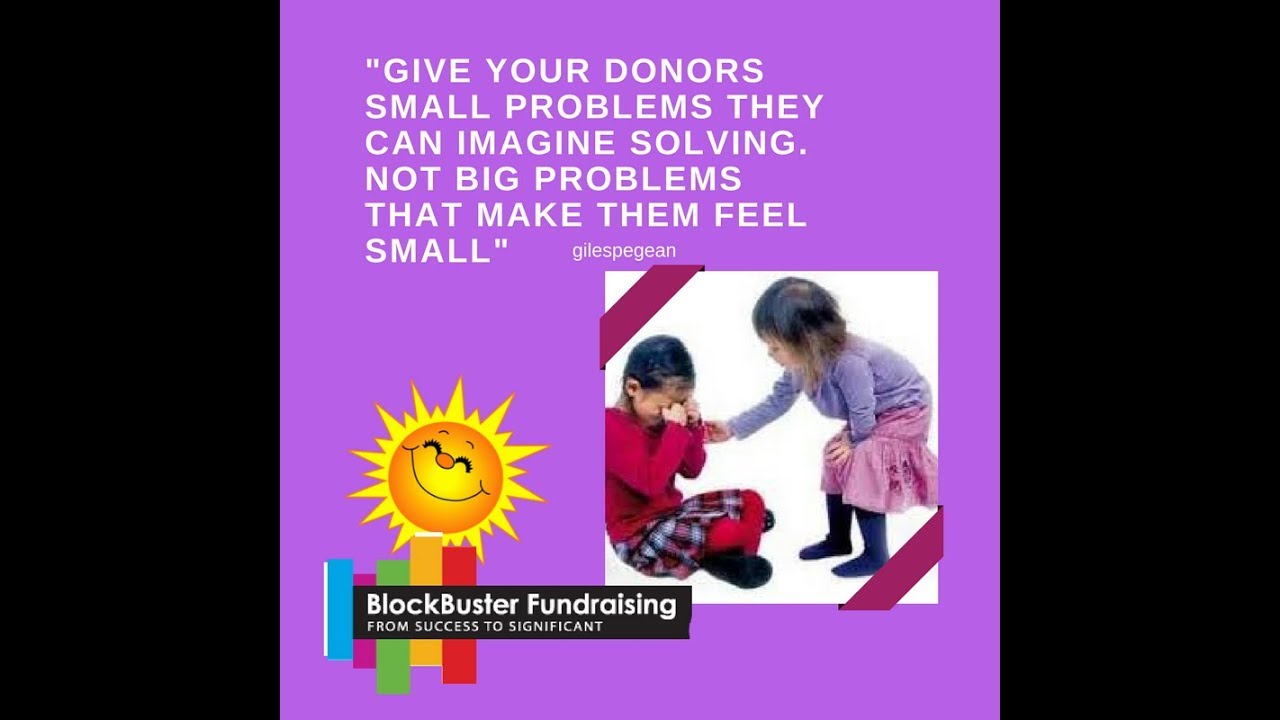
POWERFUL DONOR LANGUAGE
Empowering Language
We all want to grab our donor’s attention, persuade them to read our message, and inspire them to make a gift. A fantastic way to do this is by using empowering language. Statements that excite the reader or that paint a picture will do wonders to help your message stand out. Here are some examples of regular language versus empowering language
PLAIN LANGUAGE EMPOWERING LANGUAGE
Make a contribution or Donate Now!
Click here to donate or Make a difference today
Give what you can or No donation is too small
Please we need your help or Be a hero to someone in need
We can’t do it without you or Donors like you make this possible
Every dollar helps or Donate $5 now
Empowering language makes a huge difference in how your message is received. Dazzle your donors with the language you use and they’ll dazzle you with their gifts in return!
Lapsed Donor Love Letters to Lure & Reel Them Back
We’re focused on the Lapsed Donors and today focus on best lapsed-letter communications to win your donors back and rebuild those wonderful relationships!
How to Write Successful Retention & Acquisition Letters
More Info!
Donor Centric Annual Appeal Letters
In his book, A Fundraiser’s Guide to Irresistible Communications, Jeff Brooks talks about the writing style of fundraisers.
He says successful fundraising writing is the result of decades of experience and it is very unique. In fact, it is so different that it can be a bit of a shock. Business writers might find it to be too casual. Journalists would think it is too repetitive and subjective. And academic writers likely find fundraising writing to be too messy and simplistic. Fundraising letters are simply a different animal.
Knowledge is power!
When fundraising , we know exactly how many donors responded to our letters. We know how much each one gave, we know how many gave again, how much, and how often. Because we know our numbers, we know when we need to change things.
Sense of Urgency
The importance of being urgent cannot be overstated. Tell your donors that immediate action needs to be taken. Let them know what is at stake. Let them know they are important by addressing the letter to one donor.
Storytelling
One of the reasons that donors don’t give is because they think that their gifts don’t matter. To make sure your donors don’t feel this way, tell one story to one person at a time. Tell a particular story about one person your donor’s gift will affect. Don’t say, “your gift will fund our ongoing work.” This makes their gift seem unimportant.
Easy to read
You’ve written a good message. You’ve let your donor know their role. Now you must make it easy to read. Use short words and short paragraphs. The very best grade level to write to for ease of reading is between 4th and 6th grade. This can spell success or failure
Length
Long messages work better. In fact, Jeff’s research showed that in direct mail, the shorter message only does better about 10% of the time. Longer messages are even still holding their own against short messages, tweets, and texts. Watch your donor behavior to determine if long letters are still right for your audience.
Why is long better? There are several theories:
• Aunt Ruth Theory – Many donors, especially baby boomers, just enjoy reading. Jeff named this theory after his aunt who aunt who loved to read long solicitations because it made her feel connected to the causes she cared about.
• Multiple Triggers Theory – Donors are more likely to give when you help them visualize a need and that takes a longer message.
• Hopscotch Theory – Very few people read every word on the page. They bounce around reading a little here and a little there. So the longer the letter the more they might read.
– If the letter is long it may signal to donors that it is more important.
Repetition
In a long letter, it is important to use repetition. Make your ask several times throughout. Put an ask in between each of your other components. If you are serious about raising funds, you really have to ask again and again.

CONTENT IS KING!
Winning Content Ideas
Your content is the key to your successful year-end appeal. By now, you’ve gathered your stories and created your plan. Use these tips to make sure you structure your content and present it in a way that is sure to yield great results.
Four quick tips to winning content and formatting
1. Keep shorter paragraphs
Shorter paragraphs are easier for your donors to scan for details that are important to them. Longer paragraphs will cause your donors to lose focus and interest.
2. Include a P.S.
If your reader reads nothing else, they will read the P.S. Save this area for an important call to action, deadline, or quote.
3. Get your CEO to sign the letter
Your CEO is the face of your organization. His or her signature will hammer home with your donors that this is important and that they are important.
4. Find the right image
Use an image that will steal their heart and let your donors know what will happen right now if they don’t participate. Think of your picture as a place your donor can swim to to be the hero of the story.
Four more tips to perfect your year-end appeal content.
Network for Good gives us four tips from the Wild Woman’s Guide to Fundraising.
- Be present active and direct
- Spark people into action. You want to strengthen verbs with an active voice and first person pronouns. Say things like: “Go on. Pick up the pen. Write a check.” Or: “This child is hungry now. You can help her now. Please give.”
- Move your call to action front and center
- Don’t save your call to action for the end of the appeal. Instead, pepper your request throughout the letter. Offer donors several moments to think about giving. If you are sending an email appeal, be sure to link those calls to action to your donate page.
- Focus on the donor! This is all about the pronoun “you.” Use it throughout the appeal. Talk about how your donors have made the world a better place with this gift. Your donor is the hero of this story. This increases the odds that they’ll click the donate button or send you a check because you acknowledged their important role in your mission.
Avoid these three common formatting mistakes
Be sure you present your content in a way your donors can read it easily and take action.
1. Long unbroken paragraphs
2. Tiny font or hard to read fonts
3. Tight spacing between lines of text.
Six tips for how to grab your donor’s attention and make your case.
1. Increase your font size and don’t use any long paragraphs.
2. Turn a long paragraph into a bulleted list.
3. Spotlight key ideas or messages with a bold font or yellow highlighting.
4. Feature a quote in larger text from a person the donor is helping.
5. Use readable fonts for the body of your letter.
6. Make sure you include the P.S.
As you write your appeal, ask yourself: How does this look right now and is there anything I can do to make this easier for the donor to read and act on. The more you can improve, the greater results you will see for your cause!