February is the month for romance so instead of romancing the stone, romance those lost donors back to your mission! Here are tips from a few different expert sources to help you win lapsed donors back this month!
Category: Segmentation

The Power of Year-End Segmentation
The Power of Segmentation for Year-End Success is Amazing!
Donor Segmentation for maximum fundraising results
First things first: What is segmentation?
Segmentation is the act of dividing your donors into groups based on specific criteria. It is critical that you are able to segment your donors. A donor database with CRM (customer relationship management) technology will help you do this.
So how should you segment your donors?
There are hundreds of ways you can segment your donors: by zip code, gift size, age, and even (if you’ve kept very careful data) what day of the week they have made a donation. Here are some of the most useful methods of donor segmentation.
AFFILIATION AND INTEREST
Segment on how your donors are affiliated based on your mission, organizational structure and community involvement. Which programs and causes is this donor interested in? This will tell you what to focus on in your appeal letter to get the best results.
ENTITY TYPE
What type of entity is this donor? This type of segmentation is critical in creating a strategic plan and forecasting so you can plan for gifts coming from individuals, corporations, government and foundations.
GIVING CHANNEL
How is your donor making their gift? You want to make sure you are offering your donors the opportunity to make a gift in the manner that is most convenient for them. Know when to use mail and when to use email or social media
GIVING LEVEL
Segmenting by the annual giving level will help you know what gift amount you should be suggesting to your donor. Make sure you are ethical and courteous but you must also be careful not to insult or disrespect the donor’s ability or capacity. Remember it is imperative not to ask for too much or too little
GIVING STATUS
Another important segment to look for is giving status. An appeal to a new donor should have a different focus and message than one to a lapsed donors. Retained donors can be segmented too – ones who have increased gifts, decreased gifts, or stayed the same.
Final thoughts
Segmentation gives you creative, intentional ways to engage your donors. It helps you craft your message in a way that your donor will find appealing and personalized. And we all know that the more your donor feels cared for and connected, the more likely they are to make another donation for your cause!
12 Year-End Fundraising Checklists
12 fundraising checklists that will take your year-end fundraising to huge heights so you’ll definitely want to review and check off each detail!
Blockbuster is all about bringing all the very best fundraising tips to one place where you can spend minutes a day, reviewing, refreshing and learning from the most excellent fundraising leaders globally available. Today’s Facebook LIVE presents 12 fundraising checklists that to be best you want to review and check off each detail! Save and watch in October so your plans are complete and completely super ready for fab 2017 success!

Segmentation Steps for Year-End Success
The only way to great year-end results is to go over your database carefully and segment your donors into specific groups in order to direct specific communications they really want to see, hear or read. You need to know how to reach them and segmentation is the answer!
Donor Segmentation for maximum fundraising results
First things first: What is segmentation?
Segmentation is the act of dividing your donors into groups based on specific criteria. It is critical that you are able to segment your donors. A donor database with CRM (customer relationship management) technology will help you do this.
So how should you segment your donors?
There are hundreds of ways you can segment your donors: by zip code, gift size, age, and even (if you’ve kept very careful data) what day of the week they have made a donation. Here are some of the most useful methods of donor segmentation.
AFFILIATION AND INTEREST
Segment on how your donors are affiliated based on your mission, organizational structure and community involvement. Which programs and causes is this donor interested in? This will tell you what to focus on in your appeal letter to get the best results.
ENTITY TYPE
What type of entity is this donor? This type of segmentation is critical in creating a strategic plan and forecasting so you can plan for gifts coming from individuals, corporations, government, and foundations.
GIVING CHANNEL
How is your donor making their gift? You want to make sure you are offering your donors the opportunity to make a gift in the manner that is most convenient for them. Know when to use mail and when to use email or social media.
GIVING LEVEL
Segmenting by the annual giving level will help you know what gift amount you should be suggesting to your donor. Make sure you are ethical and courteous but you must also be careful not to insult or disrespect the donor’s ability or capacity. Remember it is imperative not to ask for too much or too little.
GIVING STATUS
Another important segment to look for is giving status. An appeal to a new donor should have a different focus and message than one to a lapsed donors. Retained donors can be segmented too – ones who have increased gifts, decreased gifts, or stayed the same.
Final thoughts
Segmentation gives you creative, intentional ways to engage your donors. It helps you craft your message in a way that your donor will find appealing and personalized. And we all know that the more your donor feels cared for and connected, the more likely they are to make another donation for your cause!
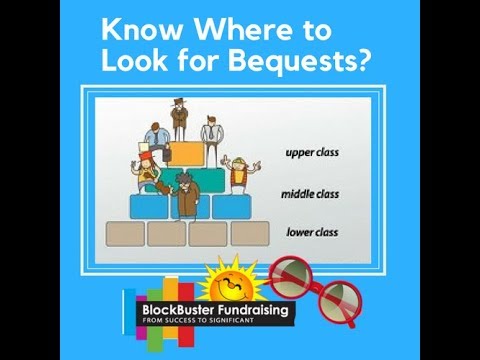
Non Profits Seeking Bequests
As non-profit pros, we know those beloved Bequests are hugely important to our organization and provide for stable future growth. We all wonder where those bequests will come from and how to identify donors that have true interest in putting our cause in their financial plan.
DONOR SEGMENTATION SUCCESS
Donor Segmentation for maximum fundraising results
First things first: What is segmentation?
Segmentation is the act of dividing your donors into groups based on specific criteria. It is critical that you are able to segment your donors. A donor database with CRM (customer relationship management) technology will help you do this.
So how should you segment your donors?
There are hundreds of ways you can segment your donors: by zip code, gift size, age, and even (if you’ve kept very careful data) what day of the week they have made a donation.
Here are some of the most useful methods of donor segmentation.
AFFILIATION AND INTEREST
Segment on how your donors are affiliated based on your mission, organizational structure and community involvement. Which programs and causes is this donor interested in? This will tell you what to focus on in your appeal letter to get the best results.
ENTITY TYPE
What type of entity is this donor? This type of segmentation is critical in creating a strategic plan and forecasting so you can plan for gifts coming from individuals, corporations, government and foundations.
GIVING CHANNEL
How is your donor making their gift? You want to make sure you are offering your donors the opportunity to make a gift in the manner that is most convenient for them. Know when to use mail and when to use email or social media
GIVING LEVEL
Segmenting by the annual giving level will help you know what gift amount you should be suggesting to your donor. Make sure you are ethical and courteous but you must also be careful not to insult or disrespect the donor’s ability or capacity. Remember it is imperative not to ask for too much or too little
GIVING STATUS
Another important segment to look for is giving status. An appeal to a new donor should have a different focus and message than one to a lapsed donors. Retained donors can be segmented too – ones who have increased gifts, decreased gifts, or stayed the same.
Final thoughts
Segmentation gives you creative, intentional ways to engage your donors. It helps you craft your message in a way that your donor will find appealing and personalized. And we all know that the more your donor feels cared for and connected, the more likely they are to make another donation for your cause!
Donor Retention & Upgrading
Did you know that Individual donors account for 72% of all giving? Just think of how much more you could raise if you could retain and upgrade all of your donors. The sky is the limit! It is essential that you take the necessary steps to not only keep your donors but to encourage them to give more.
How to Retain Your Donors
Your current donors are your low-hanging fruit, your easiest targets. You already know they are invested in your cause and they care about your mission. However, if you don’t handle them correctly, they could very easily take their donations elsewhere. Here’s how to keep them:
Appreciate them!
Organize a call unit to make phone calls to thank them for their past donations. Mention how grateful your organization is for their support in each appeal letter. Make sure they feel special and valued.
Tell them how they made a difference.
What did you do with the last gift your donor sent you? Did it pay for 10 children to attend camp? Buy food for 20 families? Sharing the tremendous impact that your donor made on the lives of others will not only make them feel good about their last gift, it will make them eager to give again!
How to Upgrade Your Donors
A sure way to raise more money for your cause without even having to find more donors is to get your current donors to give more. Some donors tend to send the same check year after year, while others may jump around based on their personal situation. Here are a few ideas for getting them to upgrade:
Suggested giving levels
How will your donor ever know that you could really use $150 instead of the $100 they’ve been sending every year? Simply suggesting a higher gift amount is sure to get your donor to at least consider upgrading. As long as it is done respectfully and thoughtfully, you’ll never offend a donor by suggesting a higher gift amount.
Use specific data
Use specific numbers, goals, and costs when suggesting a donor increase their gift. Tell them why you need it and what it will do. Justify your ask.
Moves Management
The most important thing you can do to upgrade your donors is develop a good moves management program. Look through your donor data and chart out who you plan to upgrade and how you plan to get there. Then, of course, make sure you follow your plan!
How to Handle Downgrades
Some donors are going to downgrade. That’s life. Maybe they were hit with unexpected bills, a job change, or felt like they needed to spend more of their donation dollars somewhere else. Regarding these donors with care and respect is vital. Don’t lose these donors!
Recognition
Form a recognition society based on longevity of giving. This will make your donors realize that they are still important to you. They’ll want to keep on giving to stay in the “club.”
Communication
Keep the lines of communication open. Make sure they are still receiving information about your programs and the impact of their donation. You could even explore other methods of giving from in-kind gifts to planned giving.
Retention is the 2017 Game Plan
Keep Your Donors!
Did you know that 8 out of 10 of your New Donors will not give another gift?
There is a lot of good work you can do now to reverse a drooping retention rate!
And here’s more Retention Info: https://bloomerang.co/blog/new-study-shows-donor-retention-rates-are-in-decline/
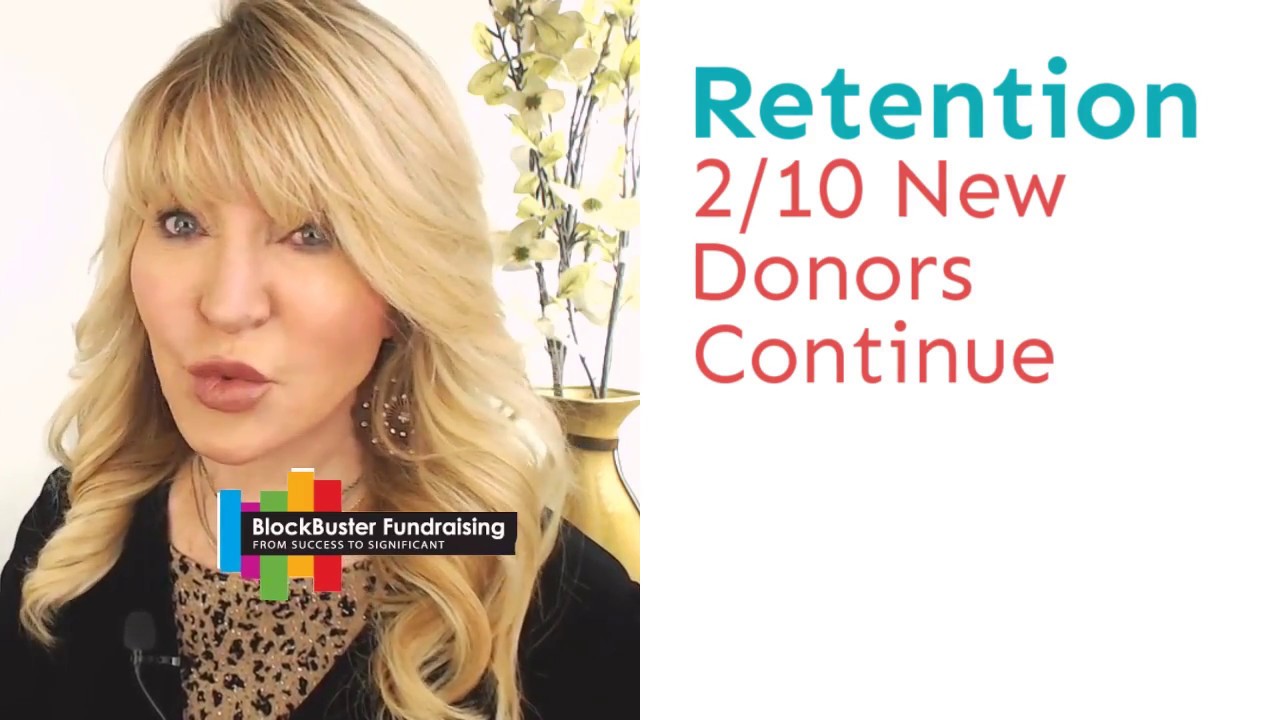
Re-Energize Donor Retention Rate in 2017
Retention rates have been down for non-profits since 2008 and are not improving at 46%.
8 out of 10 New Donors now only give one gift and are gone!
Here are strategies and tactics to reverse that retention rate now!

How to Make the Major Gift ASK
How do you make your donor “Asks”? Does it unnerve you or are you ready to go with enthusiasm, energy, and confidence?
I just finished reading ASKING by Jerold Panas and loved it and share some of his Asking advice with you in this video.
Have great questions for 25% of Ask appointment and 75% designated for Listening! 🙂
Donor Journey to Increased Retention Rate and Lifetime Loyalty
The Donor Journey begins with that first donation!
Did you know that Individual donors account for 72% of all giving? Just think of how much more you could raise if you could retain and upgrade all of your donors. The sky is the limit! It is essential that you take the necessary steps to not only keep your donors but to encourage them to give more.
Retain Your Donors
Your current donors are your low-hanging fruit, your easiest targets. You already know they are invested in your cause and they care about your mission. However, if you don’t handle them correctly, they could very easily take their donations elsewhere. Here’s how to keep them:
- APPRECIATE THEM!
- Organize a call unit to make phone calls to thank them for their past donations. Mention how grateful your organization is for their support in each appeal letter. Make sure they feel special and valued.
- TELL THEM HOW THEY MADE A DIFFERENCE.
- What did you do with the last gift your donor sent you? Did it pay for 10 children to attend camp? Buy food for 20 families? Sharing the tremendous impact that your donor made on the lives of others will not only make them feel good about their last gift, it will make them eager to give again!
- Click For Detailed Retention Steps from Capital Business Solutions!
UPGRADE YOUR DONORS
A sure way to raise more money for your cause without even having to find more donors is to get your current donors to give more. Some donors tend to send the same check year after year, while others may jump around based on their personal situation. Here are a few ideas for getting them to upgrade:
- SUGGESTED GIVING LEVELS
- How will your donor ever know that you could really use $150 instead of the $100 they’ve been sending every year? Simply suggesting a higher gift amount is sure to get your donor to at least consider upgrading. As long as it is done respectfully and thoughtfully, you’ll never offend a donor by suggesting a higher gift amount.
- USE SPECIFIC DATA
- Use specific numbers, goals, and costs when suggesting a donor increase their gift. Tell them why you need it and what it will do. Justify your ask.
- MOVES MANAGEMENT
- The most important thing you can do to upgrade your donors is developing a good moves management program. Look through your donor data and chart out who you plan to upgrade and how you plan to get there. Then, of course, make sure you follow your plan!
- Click here for Detailed How-to Upgrade Information from Bloomerang!
-
How to Handle Downgrades
Some donors are going to downgrade. That’s life. Maybe they were hit with unexpected bills, a job change, or felt like they needed to spend more of their donation dollars somewhere else. Regarding these donors with care and respect is vital. Don’t lose these donors!
- RECOGNITION
- Develop a recognition society based on longevity of giving. This will make your donors realize that they are still important to you. They’ll want to keep on giving to stay in the “club.”
- COMMUNICATION
- Keep the lines of communication open. Make sure they are still receiving information about your programs and the impact of their donation. You could even explore other methods of giving from in-kind gifts to planned giving.
- Click here for Detailed Help With Managing Donor Downgrades from Sharpe Group!

Winning Back Lapsed Donors in Time for Year-End
https://www.youtube.com/watch?v=Ys1IAT5YGO4
One more positive thing we can do now! Print out your lapsed donor list, any donor who has yet to give this year in 2016, and get ready for action!
Action steps and letter (or call script) included! Also a couple great links to more information!
Loving lapsed donors back into the fold | Simple, brilliant and oh so swipe-able!