NOW is the perfect time to catch up on your Donor Calls! Donor Calls Mean Donor Loyalty and Retention, which in turn, means everything to your Non-Profit Success! Here are some summertime call tips from Joy at BlockbusterFundraising.com
Category: Building Donor Loyalty
Building donor trust and loyalty is a Development Directors main focus. Whether you call it stewardship or retention, it is the answer to fundraising success.

Developments Starring Role
“The skills of a good development director are much the same as those of a good sales manager. It is the job of an organization’s development director to inspire his or her salespersons—the volunteer solicitors—and arm them with all the tools they need to be successful.
At the same time development directors must be able to run a tight ship and bring a sense of control, perspective, and order to the process of raising money.
Good development directors are donor-driven, rather than institution-driven.
They function as the donors’ voice within the organization, bringing donor cares and concerns to staff and trustees. Yet they must remain conscious and protective of the integrity and purpose of the organization. They are in the best position to say no to a request which asks too much of the organization and undermines its mission.” Read entire blog:
DONOR SEGMENTATION SUCCESS
Donor Segmentation for maximum fundraising results
First things first: What is segmentation?
Segmentation is the act of dividing your donors into groups based on specific criteria. It is critical that you are able to segment your donors. A donor database with CRM (customer relationship management) technology will help you do this.
So how should you segment your donors?
There are hundreds of ways you can segment your donors: by zip code, gift size, age, and even (if you’ve kept very careful data) what day of the week they have made a donation.
Here are some of the most useful methods of donor segmentation.
AFFILIATION AND INTEREST
Segment on how your donors are affiliated based on your mission, organizational structure and community involvement. Which programs and causes is this donor interested in? This will tell you what to focus on in your appeal letter to get the best results.
ENTITY TYPE
What type of entity is this donor? This type of segmentation is critical in creating a strategic plan and forecasting so you can plan for gifts coming from individuals, corporations, government and foundations.
GIVING CHANNEL
How is your donor making their gift? You want to make sure you are offering your donors the opportunity to make a gift in the manner that is most convenient for them. Know when to use mail and when to use email or social media
GIVING LEVEL
Segmenting by the annual giving level will help you know what gift amount you should be suggesting to your donor. Make sure you are ethical and courteous but you must also be careful not to insult or disrespect the donor’s ability or capacity. Remember it is imperative not to ask for too much or too little
GIVING STATUS
Another important segment to look for is giving status. An appeal to a new donor should have a different focus and message than one to a lapsed donors. Retained donors can be segmented too – ones who have increased gifts, decreased gifts, or stayed the same.
Final thoughts
Segmentation gives you creative, intentional ways to engage your donors. It helps you craft your message in a way that your donor will find appealing and personalized. And we all know that the more your donor feels cared for and connected, the more likely they are to make another donation for your cause!
Monthly Giving Rules
Is Monthly Giving on your radar in 2017? Better Be! Erica Waasdorf has written one of the only books on Monthly Giving and it’s essential, efficient, and a perfect resource for Monthly Giving best practices. We review it today, Monthly Giving, the Sleeping Giant”. . . let’s wake up the giant now!
Develop a great monthly giving program
A monthly giving program can really help your organization. We know that on average 40% of giving from individuals occurs in December. Wouldn’t it be great to spread some of those gifts out over the whole year? Transitioning some of your donors to monthly gifts is the perfect way to do that.
Here are some ideas for how to convince your donors to give monthly.
What to ask for
Setting your monthly giving amount at the appropriate amount is an essential first step. Start with your average online gift amount then take 15-20% of that for your baseline. If your average online gift is $100, set a baseline recurring gift of $15/month and up from there. This is a great starting point for new donors, but for current donors who may be giving more you will want to edit your ask to be specific to their giving level.
Learn from your current monthly donors
If you have a group of monthly donors they can give you great insight into what works and what doesn’t. Call them and ask them for their opinion and thank them for being monthly donors. Find out why they give monthly. What do they have in common? You can use these ideas to reach out to other monthly donors.
Seven groups to target
Here are seven groups of people who are likely to be attracted to the idea of a monthly gift.
- One time donors who give less than $200 each year
- Donors who give more than three times a year
- Young supporters
- Volunteers
- Donors who have given in the past but not last year
- Event attendees
- Former board members
Questions to ask your team
Before you start your monthly giving program, ask your team these questions:
- What do we want to accomplish through monthly giving?
- What does that mean to our programs and our mission?
- What is the result of achieving our goal?
Answering this question will help your donors understand your mission in your monthly giving program and better talk to your donors about why this is important.
Why Retention Fundraising Matters, Knowing What the Donor Wants!

BBF Reviews: “The 11 Questions Every Donor Asks & The Answers All Donors Crave”
Wanna know what your Donors Want to Know? Sure You do! Today we review Harvey McKennon’s book, “The 11 Questions Every Donor Asks & The Answers All Donors Crave” to give your new donor insights! Stand by!
Donor Retention & Upgrading
Did you know that Individual donors account for 72% of all giving? Just think of how much more you could raise if you could retain and upgrade all of your donors. The sky is the limit! It is essential that you take the necessary steps to not only keep your donors but to encourage them to give more.
How to Retain Your Donors
Your current donors are your low-hanging fruit, your easiest targets. You already know they are invested in your cause and they care about your mission. However, if you don’t handle them correctly, they could very easily take their donations elsewhere. Here’s how to keep them:
Appreciate them!
Organize a call unit to make phone calls to thank them for their past donations. Mention how grateful your organization is for their support in each appeal letter. Make sure they feel special and valued.
Tell them how they made a difference.
What did you do with the last gift your donor sent you? Did it pay for 10 children to attend camp? Buy food for 20 families? Sharing the tremendous impact that your donor made on the lives of others will not only make them feel good about their last gift, it will make them eager to give again!
How to Upgrade Your Donors
A sure way to raise more money for your cause without even having to find more donors is to get your current donors to give more. Some donors tend to send the same check year after year, while others may jump around based on their personal situation. Here are a few ideas for getting them to upgrade:
Suggested giving levels
How will your donor ever know that you could really use $150 instead of the $100 they’ve been sending every year? Simply suggesting a higher gift amount is sure to get your donor to at least consider upgrading. As long as it is done respectfully and thoughtfully, you’ll never offend a donor by suggesting a higher gift amount.
Use specific data
Use specific numbers, goals, and costs when suggesting a donor increase their gift. Tell them why you need it and what it will do. Justify your ask.
Moves Management
The most important thing you can do to upgrade your donors is develop a good moves management program. Look through your donor data and chart out who you plan to upgrade and how you plan to get there. Then, of course, make sure you follow your plan!
How to Handle Downgrades
Some donors are going to downgrade. That’s life. Maybe they were hit with unexpected bills, a job change, or felt like they needed to spend more of their donation dollars somewhere else. Regarding these donors with care and respect is vital. Don’t lose these donors!
Recognition
Form a recognition society based on longevity of giving. This will make your donors realize that they are still important to you. They’ll want to keep on giving to stay in the “club.”
Communication
Keep the lines of communication open. Make sure they are still receiving information about your programs and the impact of their donation. You could even explore other methods of giving from in-kind gifts to planned giving.

Engagement or Re-Engagment
Are YOU communicating Donor Love? Did you know they’re 5 Donor Love Languages and would you like to know what they are? Watch now as Blockbuster Fundraising addresses this subject with Development Directors.

Double your Email Result with this TIP
You’re gonna love these online tips! Add these tips to your online donor emails and watch your results spiral to new heights!

Cultivating Major Donor Trust
CULTIVATING MAJOR DONOR TRUST
“Building Donor Trust has never been more important to non-profits than it is today!
What are best tips to build and maintain donor trust because we all know the trust takes years to build, seconds to break, and forever to repair.”
How do you build and cultivate trust with major donors?
Trust is imperative in this relationship. Major donors are wealthy individuals and they can spot someone wanting money from them a mile away. You want major gift donors to know you value your relationship with them because of who they are, not because of the number of zeros in their bank account.

In their book, Rainmaking: The Fundraiser’s Guide to Landing Big Gifts, Roy Jones and Andrew Olsen suggest these tips to building trust:
Practice active listening
This means that you really pay attention when your donor is talking, you ensure that you understand what they are saying, and you remember what was said. While your donor is speaking you should maintain eye contact, nod, voice your understanding, and provide feedback that lets your donor know that you heard and appreciated what they were saying.
Serve at every opportunity
Immerse yourself in the relationship with your major donor. Be proactive and take care of their needs and wants before they have to ask. Make sure you are always being absolutely honest and transparent.
Hear. Understand. Empathize.
Don’t just listen to your donor talk. Make sure you understand them. If you don’t ask questions or do some research so that you can understand. And empathize with what they are sharing with you.
Focus on the donor
It is all about the DONOR, not about YOU. You are there to help your donor accomplish great things with their wealth.
Quick solutions
If something goes wrong, notify your major donor immediately and provide solution options. The faster you get in touch and solve the problem, the more your donors will trust and respect you and your organization.
Build lasting wonderful relationships with your donors.
Call and check in and watch your retention grow!
Here are more great tips: https://callhub.io/improve-donor-stewardship/

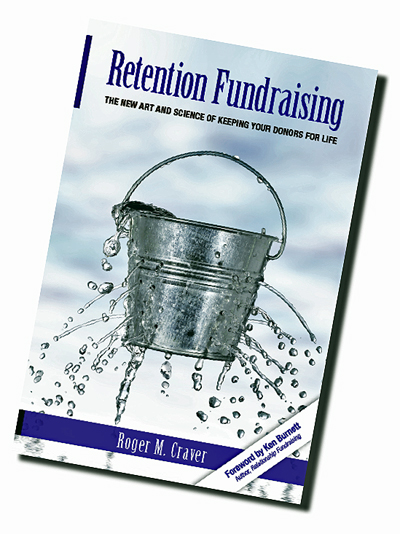
Retention is the 2017 Game Plan
Keep Your Donors!
Did you know that 8 out of 10 of your New Donors will not give another gift?
There is a lot of good work you can do now to reverse a drooping retention rate!
And here’s more Retention Info: https://bloomerang.co/blog/new-study-shows-donor-retention-rates-are-in-decline/