
Online donor stewardship has never been more important in these competitive nonprofit times. John Haydon recently wrote some great tips for fundraisers that I think you will appreciate as much as I did.
Category: Fundraising Techniques That Work
[caption id="attachment_608" align="alignnone" width="227"] fundraising expertise helps raise monies needed for non-profits[/caption]
fundraising expertise helps raise monies needed for non-profits[/caption]
Cultivating Major Donor Trust
CULTIVATING MAJOR DONOR TRUST
“Building Donor Trust has never been more important to non-profits than it is today!
What are best tips to build and maintain donor trust because we all know the trust takes years to build, seconds to break, and forever to repair.”
How do you build and cultivate trust with major donors?
Trust is imperative in this relationship. Major donors are wealthy individuals and they can spot someone wanting money from them a mile away. You want major gift donors to know you value your relationship with them because of who they are, not because of the number of zeros in their bank account.
In their book, Rainmaking: The Fundraiser’s Guide to Landing Big Gifts, Roy Jones and Andrew Olsen suggest these tips to building trust:
Practice active listening
This means that you really pay attention when your donor is talking, you ensure that you understand what they are saying, and you remember what was said. While your donor is speaking you should maintain eye contact, nod, voice your understanding, and provide feedback that lets your donor know that you heard and appreciated what they were saying.
Serve at every opportunity
Immerse yourself in the relationship with your major donor. Be proactive and take care of their needs and wants before they have to ask. Make sure you are always being absolutely honest and transparent.
Hear. Understand. Empathize.
Don’t just listen to your donor talk. Make sure you understand them. If you don’t ask questions or do some research so that you can understand. And empathize with what they are sharing with you.
Focus on the donor
It is all about the DONOR, not about YOU. You are there to help your donor accomplish great things with their wealth.
Quick solutions
If something goes wrong, notify your major donor immediately and provide solution options. The faster you get in touch and solve the problem, the more your donors will trust and respect you and your organization.
CrowdFunding Success With Dazzling Stories
Dazzling Storytelling Means Crowdfunding Success
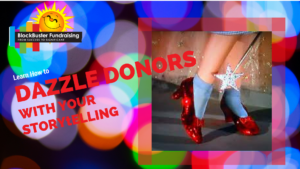
If you are looking for a successful example of crowdfunding using stellar storytelling, look no further than The Smithsonian’s campaign to “Save the Ruby Slippers!” The Smithsonian conducted this campaign to preserve Dorothy’s Red Shoes on Kickstarter in October 2016 and raised $300,000 in just a few days!!!
Of course, “Save the Ruby Slippers” is a great campaign because we can all relate to Dorothy’s shoes and what they mean to our childhood and our image of home. So what else can learn from The Smithsonian’s success?
What made this crowdfunding campaign a success?
- They told us what would be involved in the conservation.
- They told us why The Smithsonian needed us.
- They answered questions about where their funding comes from.
- They explained what was happening to the slippers.
- They showed pictures of how they would be preserved.
- They explained why it was important.
- They told us what goes into the process of conservation.
- They talked about the amount they needed and backed that goal up by explaining what was included in the budget and how much each item cost.
- They talked about their own history.
- They explained where the slippers would be displayed.
Did they stop when they reached their goal?
No!!
When the Smithsonian reached their $300,00 goal, they were ready to stretch the project. They announced they needed $85,000 to conserve and display the Scarecrow costume.
And, they thanked their donors. They thanked them for getting them to the goal and explained that the slippers would now be kept sparkling for future generations. They made sure that donors felt like team members who had accomplished a great success.
Writing Strategies for Awesome Fundraising Letters
 Want the Secrets to Writing Consistently Awesome Fundraising Letters?
Sure you do! Good News! We have 4 Winning Writing Strategies For You Now!
As Development Directors, we all know that one of the most important parts of every fundraising campaign is writing. As fundraisers, we write, write, write! We write appeal letters, thank you letters, email campaigns, website copy, and more! And many of us don’t feel totally comfortable with our writing skills or feel we can deliver a winner time and time again. And even those who do love to write can get hit with a case of writer’s block at the worst time.
Fortunately, Vanessa Chase Lockshin has shared four writing techniques to help you consistently write copy and content that can help you raise money. She says that writing is a skill that can be learned and that writing for fundraising is more of a science than art. Using these four techniques can help you overcome your writing anxiety, master your written appeals, and beat that writer’s block when it pops up.

Strategy #1 – Know your audience
This may seem obvious, but before you can write anything, you need to know who you are writing to. Rather than focusing on what it is that you have to say, think first of the people who will be reading it. Then structure your information and format for your audience. You should be building everything you do around your donors.
How do you get to know them and how do you use that information?
To get to know your donors, you should research them and create an audience profile. An audience profile is a summary of the typical person in your donor audience. This should capture the majority of your audience. Having this information will help you know who you are writing to so you can focus on their connection, their motivation, and what they care about in your copy and content.
Researching your audience
Ask yourself what you currently know? Then consider if these are facts or assumptions. Then make a list of what else is it that you would like to know.
To get answers to these questions, survey your donors, host focus groups, or just pick up the phone and call them. You can even ask them questions in your thank you calls and keep track of their answers in a simple Word document.
Tips for conducting a survey
- First, make sure you have a clear objective.
- Aim for 5-10 questions.
- Ask a mix of demographic and psychographic questions.
- Question examples:
- Why do you give? Make this one open ended!
- What do you like most about our work?
- What are your communication preferences?

Strategy #2 – Use your audience’s words
You want to write something that resonates with your audience. When you use people’s language they can see themselves in your organization and feel connected.
A great way to find this language is to go back to your surveys and read the answers to your open-ended questions. Look for recurring words and phrases. Make a list of these that you can go back to when you are writing. You can also go online and read what your supporters are saying about you in reviews or social media.
Never stop learning about your audience. Even when you aren’t doing a formal survey, make sure you are listening to your supporters all the time. Keep adding to your list of those common words and phrases and your appeals will practically write themselves!

Strategy #3 – Urgency + Ease = Magic
In addition to your meaningful stories, your caring personalization, combined with your well-planned call to action, Urgency and Ease are the components that will bring everything together, making the magic that will result in your donors taking action now.
Urgency
If you do not provide a sense of urgency, no one will act on your appeal. You are responsible for giving your readers a reason to give today instead of five years from now.
How to express urgency
Urgency can be weaved throughout an appeal, not just in the call to action.
• Talk about why this is a problem we have to solve now.
• Give your readers a deadline. For example “Make your donation by December 1st for recognition in our annual report,” or, “To accomplish this goal, we need to raise $10,000 by December 31st!”
• Tell your donors what is at stake if they do not make a donation. How will their donation help right now?
• As always, talk to just one person: your donor. Use “you” as often as possible.
• PS’s are a great place to paraphrase what you already said and add in urgency.
Ease
Ease is Ease! Don’t overcomplicate! You should be writing for a 6th grade reading level. This is not suggesting that your readers are not intelligent. Keep in mind, research shows that people’s comprehension along with their attention drops off after a certain age. You don’t want your donors getting confused, frustrated, or, even worse, bored! And bored happens fast nowdays!
Tips for achieving ease
• Use short words and short sentences and short paragraphs.
• You want your copy to be easy to skim, digest and understand.
• Write like you talk.
• If you have a hard time capturing a natural tone in your writing, try to record what you want to say. Simply say it aloud into a voice recorder and then transcribe it.
• Keep a sense of ease in your design as well. Less is more in your letter and email.

Strategy #4 – Tools to overcome writer’s block
Writer’s block happens to everyone from world famous novelists to beginner writers. Whether you are feeling uninspired, can’t find the right words to express what you want to say, or just have no idea where to begin, here are some tips to help you get out of your funk.
Talk it out
Try talking it out. Say what you are trying to write aloud either with a voice recorder or to a friend. Talking through your campaign, mission, or recent stories might spark the breakthrough you’ve been waiting for.
Change your environment
Is your office loud and distracting or just dull and monotonous? Test drive another room or try to work offsite if you can. Sometimes just a simple trip down the hall will get you out of your rut.
Get inspired
Fill up your inspiration cup! See what other fundraisers are doing. Subscribe to other non-profit’s newsletters. Check out other websites. Taking a peek at another appeal is a great way to inspire your own.
Just write
Try composing a letter to a friend or writing a journal. Writing about anything at all can help you get into a writing mode. Make a habit of writing as often as possible to keep those writer juices flowing! You can do this!!
Why Donors Give More?

Why Do Donors Give More?
Ever wondered why some donors give more?
We did some sleuthing and found we can boost our fundraising with a little insight into our donor’s minds.
Fortunately for us, The Chronicle of Philanthropy published some great detective work from The Burk Donor Survey. This report gives us some very reliable information on why donors give or don’t give and how to inspire them to give more.
21,000 donors completed the Burk Donor Survey and a third of donors said that they could give more!!! Interested in knowing more?

DONORS ARE DOING RESEARCH
Your donors are researching what you are doing. Here is where they are finding their information:
• 54% look at your website.
• 42% consult an online charity watchdog.
• 27% search online for information about your group.
• 26% ask people they trust about your organization.
• 23% review news media reports about your group.
The research your donor’s conduct has a big impact on their decision to make a gift.
 • 41% decide not to donate after seeing a charity’s website.
• 41% say a charity’s results determine whether they make a gift.
Donor Quotes

“I would prefer to give more to fewer causes where I can see the results.”
Donors want to make an impact!
“Non-profits would do better focusing on success stories … then by trying to make those of us who are considering donating feel privileged and guilty.”
Stories are important!
“I dislike being bombarded by donation requests.”
Be strategic in your appeals!
“A number of causes left me feeling personally unappreciated.”
Saying thank you is essential!
Giving MORE

So why do donors give more? Here are the two biggest reasons donors gave:

• 41% were impressed with the efforts of the nonprofit.
• 26% responded to a special request for support.
How can you inspire your donors to give more? Here are the top five answers:

• 22% would give more if the charity demonstrated an extraordinary need for support.
• 22% would give more if they saw reduced administrative and fundraising expenses.
• 21% would like you to stop sending unwanted gifts and trinkets.
• 19% would give more if the charity sent fewer solicitations.
• 15% would like more information on what gifts accomplish.
Remember,
31% of donors said they could have given more.
41% of donors under the age 35 said they could have given more.
Don’t leave this money on the table!

Every little effort –
your stories,
your website,
your donation page,
your thank you notes –
it all adds up and will pay off.(CLK for video)

Storytelling Success Steps
Build lasting wonderful relationships with your donors.
Call and check in and watch your retention grow!
Here are more great tips: https://callhub.io/improve-donor-stewardship/

Retention is the 2017 Game Plan
Keep Your Donors!
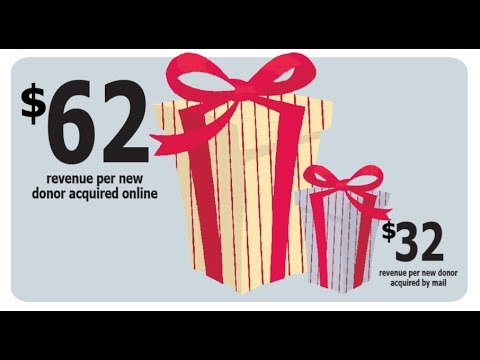
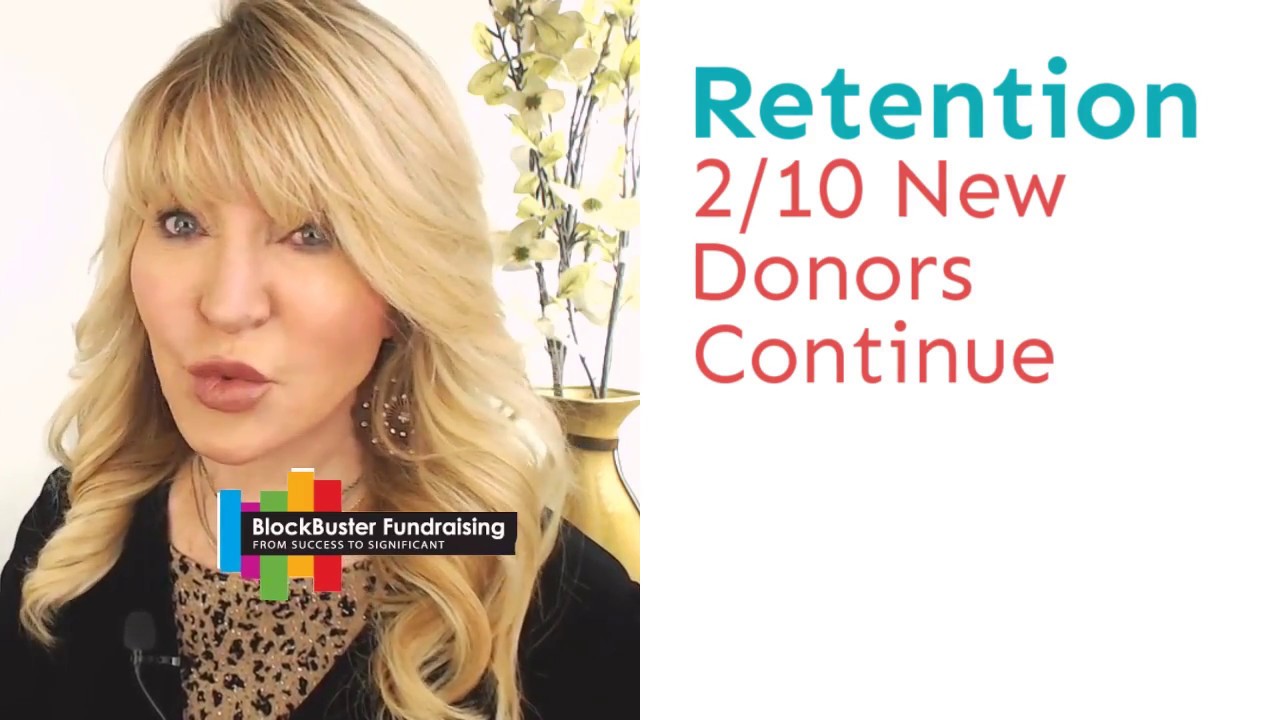
Did you know that 8 out of 10 of your New Donors will not give another gift?
There is a lot of good work you can do now to reverse a drooping retention rate!
And here’s more Retention Info: https://bloomerang.co/blog/new-study-shows-donor-retention-rates-are-in-decline/
Re-Energize Donor Retention Rate in 2017
Retention rates have been down for non-profits since 2008 and are not improving at 46%.
8 out of 10 New Donors now only give one gift and are gone!
Here are strategies and tactics to reverse that retention rate now!
How to Make the Major Gift ASK
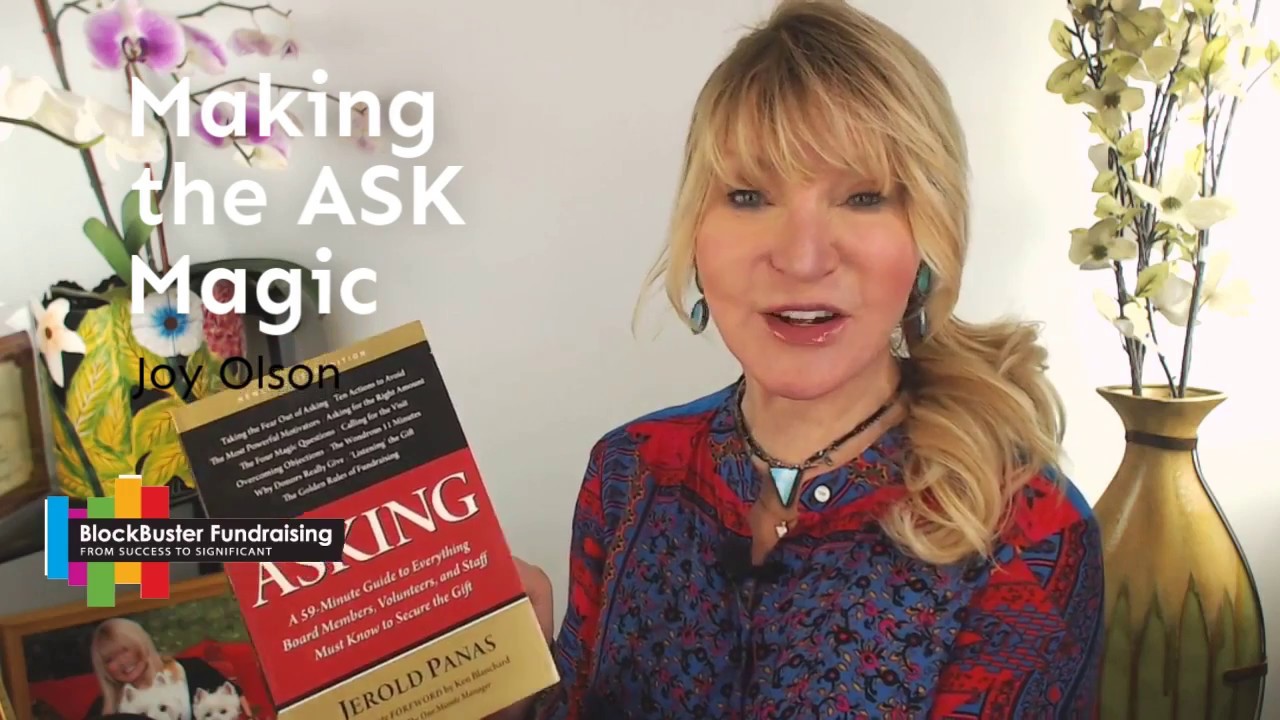
How do you make your donor “Asks”? Does it unnerve you or are you ready to go with enthusiasm, energy, and confidence?
I just finished reading ASKING by Jerold Panas and loved it and share some of his Asking advice with you in this video.
Have great questions for 25% of Ask appointment and 75% designated for Listening! 🙂

Donor Journey to Increased Retention Rate and Lifetime Loyalty
The Donor Journey begins with that first donation!
Did you know that Individual donors account for 72% of all giving? Just think of how much more you could raise if you could retain and upgrade all of your donors. The sky is the limit! It is essential that you take the necessary steps to not only keep your donors but to encourage them to give more.
Retain Your Donors
Your current donors are your low-hanging fruit, your easiest targets. You already know they are invested in your cause and they care about your mission. However, if you don’t handle them correctly, they could very easily take their donations elsewhere. Here’s how to keep them:
- APPRECIATE THEM!
- Organize a call unit to make phone calls to thank them for their past donations. Mention how grateful your organization is for their support in each appeal letter. Make sure they feel special and valued.
- TELL THEM HOW THEY MADE A DIFFERENCE.
- What did you do with the last gift your donor sent you? Did it pay for 10 children to attend camp? Buy food for 20 families? Sharing the tremendous impact that your donor made on the lives of others will not only make them feel good about their last gift, it will make them eager to give again!
- Click For Detailed Retention Steps from Capital Business Solutions!
UPGRADE YOUR DONORS
A sure way to raise more money for your cause without even having to find more donors is to get your current donors to give more. Some donors tend to send the same check year after year, while others may jump around based on their personal situation. Here are a few ideas for getting them to upgrade:
- SUGGESTED GIVING LEVELS
- How will your donor ever know that you could really use $150 instead of the $100 they’ve been sending every year? Simply suggesting a higher gift amount is sure to get your donor to at least consider upgrading. As long as it is done respectfully and thoughtfully, you’ll never offend a donor by suggesting a higher gift amount.
- USE SPECIFIC DATA
- Use specific numbers, goals, and costs when suggesting a donor increase their gift. Tell them why you need it and what it will do. Justify your ask.
- MOVES MANAGEMENT
- The most important thing you can do to upgrade your donors is developing a good moves management program. Look through your donor data and chart out who you plan to upgrade and how you plan to get there. Then, of course, make sure you follow your plan!
- Click here for Detailed How-to Upgrade Information from Bloomerang!
-
How to Handle Downgrades
Some donors are going to downgrade. That’s life. Maybe they were hit with unexpected bills, a job change, or felt like they needed to spend more of their donation dollars somewhere else. Regarding these donors with care and respect is vital. Don’t lose these donors!
- RECOGNITION
- Develop a recognition society based on longevity of giving. This will make your donors realize that they are still important to you. They’ll want to keep on giving to stay in the “club.”
- COMMUNICATION
- Keep the lines of communication open. Make sure they are still receiving information about your programs and the impact of their donation. You could even explore other methods of giving from in-kind gifts to planned giving.
- Click here for Detailed Help With Managing Donor Downgrades from Sharpe Group!

10 Secrets to Donation Page Perfection
Is Your Donation Page perfection right now? Is it ready to receive some Valentines Love?
Since it’s February, are you getting ready to send out some love in a donors Valentines direct mail piece or email?
Certainly hope you’re not passing up this wonderful loving storytelling opportunity to spread your goodwill and good deeds.
Takeaway from this video, make sure your DONATION PAGE IS ready to receive some Valentine love!