Rock Your Year-End Storytelling

Your non-profit story is your most valuable asset. Your heartfelt story will inspire action and create change. If you can tell your story like a feature movie, your donors will never forget it. And, even better, they’ll share it with others and you’ll be a rockstar.

Rock your storytelling! Your non-profit story is your most valuable asset. Your story can inspire action and create change. If you can tell your story like a feature movie, your donors will never forget it. And, even better, they’ll share it with others.

Important Story Components

A Character
Stories that draw people in are stories in which people care about, identify with or are fascinated by a character. You’ve got to put your characters front and center. Who is the person who needs your donor’s help?

A Hero
You need a hero. Ideally, this would be your donor!

A Threat
What is your donor saving your character from? What will happen without your donor’s help?

The Head and The Heart
You need to balance this combination. Don’t just give the facts and figures. To really tell a story well you have to be able to hold someone’s pain.

Top 10 Insights from the 2012 Nonprofit Technology Conference
#1 – The best stories are the ones that you remember. That move you to share and take action.
#2 – People will forget what you told them, they’ll forget what you did, but they’ll never forget how you made them feel through stories. Make your story about your case and the character who will be helped.
#3 – Your storytelling doesn’t have to live within your marketing team. Your donors can contribute by sharing.
#4 – Keep recording stories! Talk to your donors and other staff and figure out some great stories to tell.
#5 – Consider your medium. Tell stories in direct mail, email, and also in video form.
#6 – In your video stories, make sure to not just have talking heads and keep your video to 1-2 minutes.
#7 – Don’t forget, a story has a beginning, middle, and end.
#8 – Use an image to touch heartstrings.
#9 – Simple stories are the best.
#10 – Don’t be afraid to fail!
12 Year-End Fundraising Checklists

12 fundraising checklists that will take your year-end fundraising to huge heights so you’ll definitely want to review and check off each detail!

Blockbuster is all about bringing all the very best fundraising tips to one place where you can spend minutes a day, reviewing, refreshing and learning from the most excellent fundraising leaders globally available. Today’s Facebook LIVE presents 12 fundraising checklists that to be best you want to review and check off each detail! Save and watch in October so your plans are complete and completely super ready for fab 2017 success!

WHY DONORS GIVE MORE

Want to know why Donors Give More? The Burk Donor Survey provides some revealing answers!

Want to know why Donors Give More? The Burk Donor Survey provided some great info about donors and guess what? 21,000 donors completed this survey and 1/3rd of those donors said they could give more! Better watch for some handy tips as you get ready now for year-end fundraising!

Why Donors Give More

We can really boost our fundraising with a little insight into our donor’s minds. Fortunately, The Chronicle of Philanthropy reported the results from The Burk Donor Survey. The report includes some great information about why donors give or don’t give and how to inspire them to give more.
21,000 donors completed the survey and a third of them said that they could give more!!!

Research

Your donors are researching what you are doing. Here is where they are finding their information:
• 54% look at your website.
• 42% consult an online charity watchdog.
• 27% search online for information about your group.
• 26% ask people they trust about your organization.
• 23% review news media reports about your group.
The research your donor’s conduct has a big impact on their decision to make a gift.
• 41% decide not to donate after seeing a charity’s website.
• 41% say a charity’s results determine whether they make a gift.

Donor Quotes

“I would prefer to give more to fewer causes where I can see the results.” Donors want to make an impact!

“Non-profits would do better focusing on success stories … then by trying to make those of us who are considering donating feel privileged and guilty.” Stories are important!

“I dislike being bombarded by donation requests.” Be strategic in your appeals!

“A number of causes left me feeling personally unappreciated.” Saying thank you is essential!

Giving MORE

So why do donors give more? Here are the two biggest reasons donors gave:

• 41% were impressed with the efforts of the nonprofit.
• 26% responded to a special request for support.
How can you inspire your donors to give more? Here are the top five answers:
• 22% would give more if the charity demonstrated an extraordinary need for support.
• 22% would give more if they saw reduced administrative and fundraising expenses.
• 21% would like you to stop sending unwanted gifts and trinkets.
• 19% would give more if the charity sent fewer solicitations.
• 15% would like more information on what gifts accomplish.

Remember, 31% of donors said they could have given more. And 41% of donors under the age 35 said they could have given more. Don’t leave this money on the table! Every little effort – your stories, your website, your donation page, your thank you notes – it all adds up and will pay off.

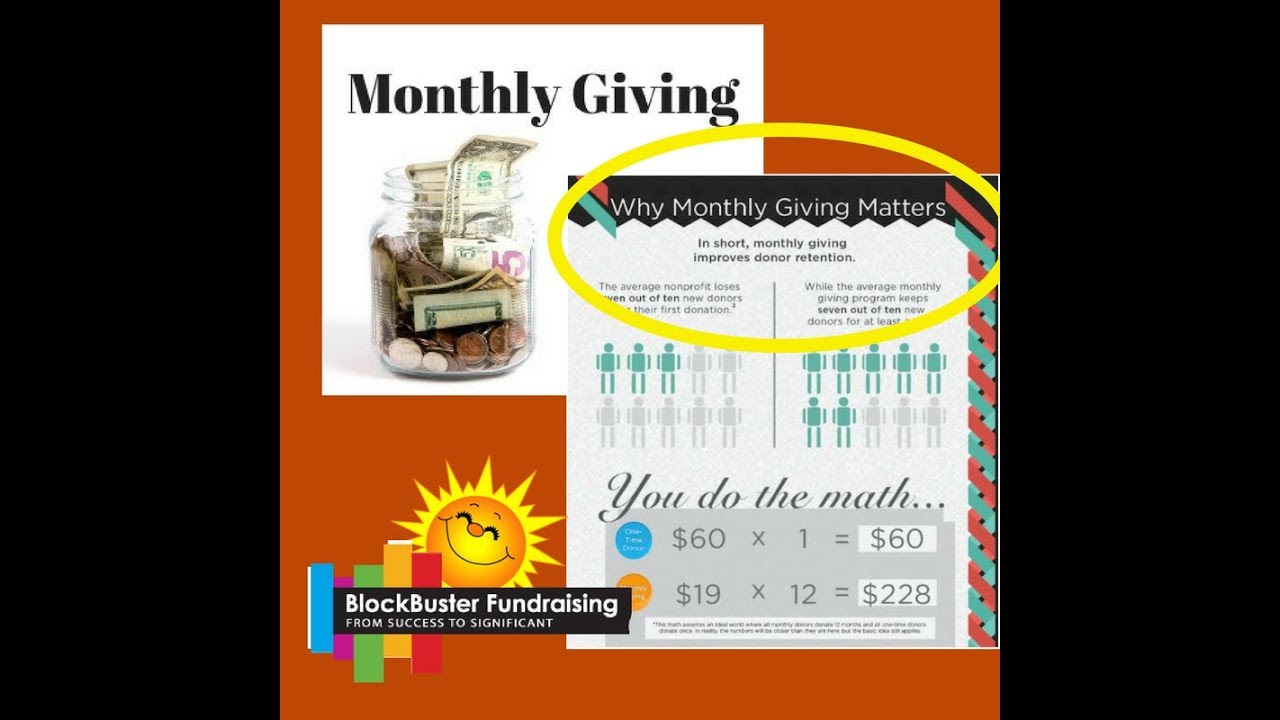
Why Monthly Giving Should Top Your To-Do List Now

Make Monthly Giving work for in time for year-end success!

It’s never been more important to put Monthly Giving ‘front and center’ in all your donor communications! Learn how to make it work for you and your year-end success!

Magic ‘Moves Management” Steps for Major Gift Success


Moves Management Skills

Perfecting moves management is essential to securing major gifts. David Dunlap is a moves management pioneer. He says the moves concept focuses major gift fundraising on changing people’s attitudes so they want to give.

What are moves?
A cultivation opportunity. Any great way to get to know your prospect better and let them get to know your organization, mission, and programs better. A move must be important enough and passionate enough that the prospect regards this as wonderful giving opportunity to your organization. You must know something about the prospect before this visit. Cultivation must be according to a plan and mission directed. You must know exactly what you want to accomplish.
Examples of cultivation opportunities:
• Behind the scenes tour or your facility
• An invitation to a small special event
• An insider’s newsletter
• An invitation to lunch or dinner with Director of Development, Executive Director, or a member of your Board of Directors
• An invitation to give feedback on latest event or case statement

Cultivation Visits
In order to have a successful cultivation visit, you must have a plan and a clear goal. The visit should be focused and goal oriented.
Here are five things to consider while preparing for your visit:
1. What is the best possible outcome and the minimum acceptable outcome?
2. Review the key points you are going to cover.
3. List a small number of benefits that you believe will appeal to the prospect.
4. Determine what you will ask your donor to do, agree to, or react to.
5. List anticipated questions and your responses. Remember questions are good, you just want to make sure you have a great response.

Here are eight steps to get started:
1. Select 10 – 25 of your best prospects.
2. Gather research on each and every one of them.
3. Identify volunteer board members and staff for each prospect.
4. Consult board members and staff that you think know each donor the best to find out as much as you can about the donor and their motivation.
5. Develop a strategy for each donor with definite gift amounts and opportunities.
6. Plan your next moves based on your strategy.
7. Implement those moves!
8. Review your moves

It is very important to be able to track your moves and your progress. Your database should include a pre-programed moves management system with reporting. If you don’t have access to this, use a calendar software. Just enter the moves you want to make and set a reminder for each.

A WINNING NEW DONOR WELCOME KIT

Most new donors will never give again, 70% to be more specific! So how do you keep them and turn them into loyal advocates for your cause?

Follow these brilliant steps from the New Welcome Plan Save the Children has put together! It Works!

And put together a welcome plan now in time for those #GivingTuesday new donors you are going to acquire this year!

Segmentation Steps for Year-End Success

The only way to great year-end results is to go over your database carefully and segment your donors into specific groups in order to direct specific communications they really want to see, hear or read. You need to know how to reach them and segmentation is the answer!

Donor Segmentation for maximum fundraising results

First things first: What is segmentation?
Segmentation is the act of dividing your donors into groups based on specific criteria. It is critical that you are able to segment your donors. A donor database with CRM (customer relationship management) technology will help you do this.

So how should you segment your donors?
There are hundreds of ways you can segment your donors: by zip code, gift size, age, and even (if you’ve kept very careful data) what day of the week they have made a donation. Here are some of the most useful methods of donor segmentation.

AFFILIATION AND INTEREST
Segment on how your donors are affiliated based on your mission, organizational structure and community involvement. Which programs and causes is this donor interested in? This will tell you what to focus on in your appeal letter to get the best results.

ENTITY TYPE
What type of entity is this donor? This type of segmentation is critical in creating a strategic plan and forecasting so you can plan for gifts coming from individuals, corporations, government, and foundations.

GIVING CHANNEL
How is your donor making their gift? You want to make sure you are offering your donors the opportunity to make a gift in the manner that is most convenient for them. Know when to use mail and when to use email or social media.

GIVING LEVEL
Segmenting by the annual giving level will help you know what gift amount you should be suggesting to your donor. Make sure you are ethical and courteous but you must also be careful not to insult or disrespect the donor’s ability or capacity. Remember it is imperative not to ask for too much or too little.

GIVING STATUS
Another important segment to look for is giving status. An appeal to a new donor should have a different focus and message than one to a lapsed donors. Retained donors can be segmented too – ones who have increased gifts, decreased gifts, or stayed the same.

Final thoughts
Segmentation gives you creative, intentional ways to engage your donors. It helps you craft your message in a way that your donor will find appealing and personalized. And we all know that the more your donor feels cared for and connected, the more likely they are to make another donation for your cause!

POWERFUL DONOR LANGUAGE

Empowering Language

We all want to grab our donor’s attention, persuade them to read our message, and inspire them to make a gift. A fantastic way to do this is by using empowering language. Statements that excite the reader or that paint a picture will do wonders to help your message stand out. Here are some examples of regular language versus empowering language

PLAIN LANGUAGE EMPOWERING LANGUAGE
Make a contribution or Donate Now!
Click here to donate or Make a difference today
Give what you can or No donation is too small
Please we need your help or Be a hero to someone in need
We can’t do it without you or Donors like you make this possible
Every dollar helps or Donate $5 now

Empowering language makes a huge difference in how your message is received. Dazzle your donors with the language you use and they’ll dazzle you with their gifts in return!

4th Quarter Calls for Donor Retention & Upgrading


Retain and upgrade

Did you know that Individual donors account for 72% of all giving? Just think of how much more you could raise if you could retain and upgrade all of your donors. The sky is the limit! It is essential that you take the necessary steps to not only keep your donors but to encourage them to give more.

How to Retain Your Donors

Your current donors are your low hanging fruit, your easiest targets. You already know they are invested in your cause and they care about your mission. However, if you don’t handle them correctly, they could very easily take their donations elsewhere. Here’s how to keep them:

APPRECIATE THEM!
Organize a call unit to make phone calls to thank them for their past donations. Mention how grateful your organization is for their support in each appeal letter. Make sure they feel special and valued.

TELL THEM HOW THEY MADE A DIFFERENCE.

What did you do with the last gift your donor sent you? Did it pay for 10 children to attend camp? Buy food for 20 families? Sharing the tremendous impact that your donor made on the lives of others will not only make them feel good about their last gift, it will make them eager to give again!

How to Upgrade Your Donors

A sure way to raise more money for your cause without even having to find more donors is to get your current donors to give more. Some donors tend to send the same check year after year, while others may jump around based on their personal situation. Here are a few ideas for getting them to upgrade:

SUGGESTED GIVING LEVELS
How will your donor ever know that you could really use $150 instead of the $100 they’ve been sending every year? Simply suggesting a higher gift amount is sure to get your donor to at least consider upgrading. As long as it is done respectfully and thoughtfully, you’ll never offend a donor by suggesting a higher gift amount.

USE SPECIFIC DATA
Use specific numbers, goals, and costs when suggesting a donor increase their gift. Tell them why you need it and what it will do. Justify your ask.

MOVES MANAGEMENT

The most important thing you can do to upgrade your donors is develop a good moves management program. Look through your donor data and chart out who you plan to upgrade and how you plan to get there. Then, of course, make sure you follow your plan!

How to Handle Downgrades
Some donors are going to downgrade. That’s life. Maybe they were hit with unexpected bills, a job change, or felt like they needed to spend more of their donation dollars somewhere else. Regarding these donors with care and respect is vital. Don’t lose these donors!

RECOGNITION
Form a recognition society based on longevity of giving. This will make your donors realize that they are still important to you. They’ll want to keep on giving to stay in the “club.”

COMMUNICATION
Keep the lines of communication open. Make sure they are still receiving information about your programs and the impact of their donation. You could even explore other methods of giving from in-kind gifts to planned giving.

Non Profits Seeking Bequests

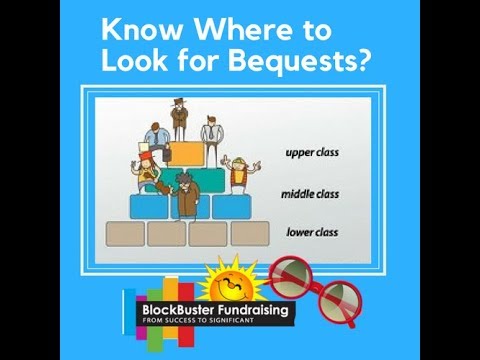
As non-profit pros, we know those beloved Bequests are hugely important to our organization and provide for stable future growth. We all wonder where those bequests will come from and how to identify donors that have true interest in putting our cause in their financial plan.

Keep Your New Donors With This New Donor Welcome Kit

As nonprofits, we know how many new donors and first time donors get away! We lose them folks, 70% never show up again! We need to welcome them with open arms immediately and turn them into interested, cared-for donors! Here are proven strategies and examples that work wonders!

Reasons & Script Ideas for Winning Donor Calls

Why You Should Be Calling Your Donors

An Incomparable Collection of Fundraising Tips

Are the Smokin’ Hot ‘Dog Days of Summer’ wearing your fundraising momentum down to the nubs?

Need some great true inspiration of what you can do right now that will perk up both you and your supporters?

Come experience a true story that will get you to the phones now!