How to Write Successful Retention & Acquisition Letters

More Info!

Donor Centric Annual Appeal Letters

In his book, A Fundraiser’s Guide to Irresistible Communications, Jeff Brooks talks about the writing style of fundraisers.

He says successful fundraising writing is the result of decades of experience and it is very unique. In fact, it is so different that it can be a bit of a shock. Business writers might find it to be too casual. Journalists would think it is too repetitive and subjective. And academic writers likely find fundraising writing to be too messy and simplistic. Fundraising letters are simply a different animal.
Knowledge is power!

When fundraising , we know exactly how many donors responded to our letters. We know how much each one gave, we know how many gave again, how much, and how often. Because we know our numbers, we know when we need to change things.

Sense of Urgency

The importance of being urgent cannot be overstated. Tell your donors that immediate action needs to be taken. Let them know what is at stake. Let them know they are important by addressing the letter to one donor.

Storytelling

One of the reasons that donors don’t give is because they think that their gifts don’t matter. To make sure your donors don’t feel this way, tell one story to one person at a time. Tell a particular story about one person your donor’s gift will affect. Don’t say, “your gift will fund our ongoing work.” This makes their gift seem unimportant.

Easy to read

You’ve written a good message. You’ve let your donor know their role. Now you must make it easy to read. Use short words and short paragraphs. The very best grade level to write to for ease of reading is between 4th and 6th grade. This can spell success or failure

Length

Long messages work better. In fact, Jeff’s research showed that in direct mail, the shorter message only does better about 10% of the time. Longer messages are even still holding their own against short messages, tweets, and texts. Watch your donor behavior to determine if long letters are still right for your audience.

Why is long better? There are several theories:

Aunt Ruth Theory – Many donors, especially baby boomers, just enjoy reading. Jeff named this theory after his aunt who aunt who loved to read long solicitations because it made her feel connected to the causes she cared about.
• Multiple Triggers Theory – Donors are more likely to give when you help them visualize a need and that takes a longer message.

• Hopscotch Theory – Very few people read every word on the page. They bounce around reading a little here and a little there. So the longer the letter the more they might read.

– If the letter is long it may signal to donors that it is more important.

Repetition
In a long letter, it is important to use repetition. Make your ask several times throughout. Put an ask in between each of your other components. If you are serious about raising funds, you really have to ask again and again.
WHY MONTHLY GIVING IS ABSOLUTELY NECESSARY NOW

Develop a great monthly giving program

A monthly giving program can really help your organization. We know that on average 40% of giving from individuals occurs in December. Wouldn’t it be great to spread some of those gifts out over the whole year? Transitioning some of your donors to monthly gifts is the perfect way to do that.
Here are some ideas for how to convince your donors to give monthly.

What to ask for:

Setting your monthly giving amount at the appropriate amount is an essential first step. Start with your average online gift amount then take 15-20% of that for your baseline. If your average online gift is $100, set a baseline recurring gift of $15/month and up from there. This is a great starting point for new donors, but for current donors who may be giving more you will want to edit your ask to be specific to their giving level.

Learn from your current monthly donors:

If you have a group of monthly donors they can give you great insight into what works and what doesn’t. Call them and ask them for their opinion and thank them for being monthly donors. Find out why they give monthly. What do they have in common? You can use these ideas to reach out to other monthly donors.

Seven groups to target:

Here are seven groups of people who are likely to be attracted to the idea of a monthly gift.

• One time donors who give less than $200 each year
• Donors who give more than three times a year
• Young supporters
• Volunteers
• Donors who have given in the past but not last year
• Event attendees
• Former board members

Questions to ask your team

Before you start your monthly giving program, ask your team these questions:

• What do we want to accomplish through monthly giving?
• What does that mean to our programs and our mission?
• What is the result of achieving our goal?

Answering these questions will help your donors understand your mission in your monthly giving program and help you to better talk to your donors about the impact and good their monthly gift will exert.

Making Donor Calls Always the Right Call

NOW is the perfect time to catch up on your Donor Calls! Donor Calls Mean Donor Loyalty and Retention, which in turn, means everything to your Non-Profit Success! Here are some summertime call tips from Joy at BlockbusterFundraising.com

Developments Starring Role

“The skills of a good development director are much the same as those of a good sales manager. It is the job of an organization’s development director to inspire his or her salespersons—the volunteer solicitors—and arm them with all the tools they need to be successful.

At the same time development directors must be able to run a tight ship and bring a sense of control, perspective, and order to the process of raising money.
Good development directors are donor-driven, rather than institution-driven.

They function as the donors’ voice within the organization, bringing donor cares and concerns to staff and trustees. Yet they must remain conscious and protective of the integrity and purpose of the organization. They are in the best position to say no to a request which asks too much of the organization and undermines its mission.” Read entire blog:

DONOR SEGMENTATION SUCCESS

Donor Segmentation for maximum fundraising results

First things first: What is segmentation?

Segmentation is the act of dividing your donors into groups based on specific criteria. It is critical that you are able to segment your donors. A donor database with CRM (customer relationship management) technology will help you do this.
So how should you segment your donors?
There are hundreds of ways you can segment your donors: by zip code, gift size, age, and even (if you’ve kept very careful data) what day of the week they have made a donation.

Here are some of the most useful methods of donor segmentation.

AFFILIATION AND INTEREST

Segment on how your donors are affiliated based on your mission, organizational structure and community involvement. Which programs and causes is this donor interested in? This will tell you what to focus on in your appeal letter to get the best results.

ENTITY TYPE

What type of entity is this donor? This type of segmentation is critical in creating a strategic plan and forecasting so you can plan for gifts coming from individuals, corporations, government and foundations.

GIVING CHANNEL

How is your donor making their gift? You want to make sure you are offering your donors the opportunity to make a gift in the manner that is most convenient for them. Know when to use mail and when to use email or social media

GIVING LEVEL

Segmenting by the annual giving level will help you know what gift amount you should be suggesting to your donor. Make sure you are ethical and courteous but you must also be careful not to insult or disrespect the donor’s ability or capacity. Remember it is imperative not to ask for too much or too little

GIVING STATUS

Another important segment to look for is giving status. An appeal to a new donor should have a different focus and message than one to a lapsed donors. Retained donors can be segmented too – ones who have increased gifts, decreased gifts, or stayed the same.

Final thoughts
Segmentation gives you creative, intentional ways to engage your donors. It helps you craft your message in a way that your donor will find appealing and personalized. And we all know that the more your donor feels cared for and connected, the more likely they are to make another donation for your cause!

Do you watch Shark Tank? How do you think your best presentation would fare with Mr. Wonderful?
Learn some super successful presentation tips now! Want more?
https://www.tvinsider.com/98529/shark-tanks-kevin-oleary-gives-4-tips-on-how-to-succeed-with-the-sharks/

CONTENT IS KING!

Winning Content Ideas

Your content is the key to your successful year-end appeal. By now, you’ve gathered your stories and created your plan. Use these tips to make sure you structure your content and present it in a way that is sure to yield great results.

Four quick tips to winning content and formatting

1. Keep shorter paragraphs

Shorter paragraphs are easier for your donors to scan for details that are important to them. Longer paragraphs will cause your donors to lose focus and interest.

2. Include a P.S.

If your reader reads nothing else, they will read the P.S. Save this area for an important call to action, deadline, or quote.

3. Get your CEO to sign the letter

Your CEO is the face of your organization. His or her signature will hammer home with your donors that this is important and that they are important.

4. Find the right image

Use an image that will steal their heart and let your donors know what will happen right now if they don’t participate. Think of your picture as a place your donor can swim to to be the hero of the story.

Four more tips to perfect your year-end appeal content.

Network for Good gives us four tips from the Wild Woman’s Guide to Fundraising.

  1. Be present active and direct
  2. Spark people into action. You want to strengthen verbs with an active voice and first person pronouns. Say things like: “Go on. Pick up the pen. Write a check.” Or: “This child is hungry now. You can help her now. Please give.”
  3. Move your call to action front and center
  4. Don’t save your call to action for the end of the appeal. Instead, pepper your request throughout the letter. Offer donors several moments to think about giving. If you are sending an email appeal, be sure to link those calls to action to your donate page.
  5. Focus on the donor!   This is all about the pronoun “you.” Use it throughout the appeal. Talk about how your donors have made the world a better place with this gift. Your donor is the hero of this story. This increases the odds that they’ll click the donate button or send you a check because you acknowledged their important role in your mission.

Avoid these three common formatting mistakes

Be sure you present your content in a way your donors can read it easily and take action.
1. Long unbroken paragraphs
2. Tiny font or hard to read fonts
3. Tight spacing between lines of text.

Six tips for how to grab your donor’s attention and make your case.

1. Increase your font size and don’t use any long paragraphs.
2. Turn a long paragraph into a bulleted list.
3. Spotlight key ideas or messages with a bold font or yellow highlighting.
4. Feature a quote in larger text from a person the donor is helping.
5. Use readable fonts for the body of your letter.
6. Make sure you include the P.S.

As you write your appeal, ask yourself: How does this look right now and is there anything I can do to make this easier for the donor to read and act on. The more you can improve, the greater results you will see for your cause!

Monthly Giving Rules

Is Monthly Giving on your radar in 2017? Better Be! Erica Waasdorf has written one of the only books on Monthly Giving and it’s essential, efficient, and a perfect resource for Monthly Giving best practices. We review it today, Monthly Giving, the Sleeping Giant”. . . let’s wake up the giant now!


Develop a great monthly giving program

A monthly giving program can really help your organization. We know that on average 40% of giving from individuals occurs in December. Wouldn’t it be great to spread some of those gifts out over the whole year? Transitioning some of your donors to monthly gifts is the perfect way to do that.

Here are some ideas for how to convince your donors to give monthly.

What to ask for

Setting your monthly giving amount at the appropriate amount is an essential first step. Start with your average online gift amount then take 15-20% of that for your baseline. If your average online gift is $100, set a baseline recurring gift of $15/month and up from there. This is a great starting point for new donors, but for current donors who may be giving more you will want to edit your ask to be specific to their giving level.

Learn from your current monthly donors

If you have a group of monthly donors they can give you great insight into what works and what doesn’t. Call them and ask them for their opinion and thank them for being monthly donors. Find out why they give monthly. What do they have in common? You can use these ideas to reach out to other monthly donors.

Seven groups to target

Here are seven groups of people who are likely to be attracted to the idea of a monthly gift.

  • One time donors who give less than $200 each year
  • Donors who give more than three times a year
  • Young supporters
  • Volunteers
  • Donors who have given in the past but not last year
  • Event attendees
  • Former board members

Questions to ask your team

Before you start your monthly giving program, ask your team these questions:

  • What do we want to accomplish through monthly giving?
  • What does that mean to our programs and our mission?
  • What is the result of achieving our goal?

Answering this question will help your donors understand your mission in your monthly giving program and better talk to your donors about why this is important.

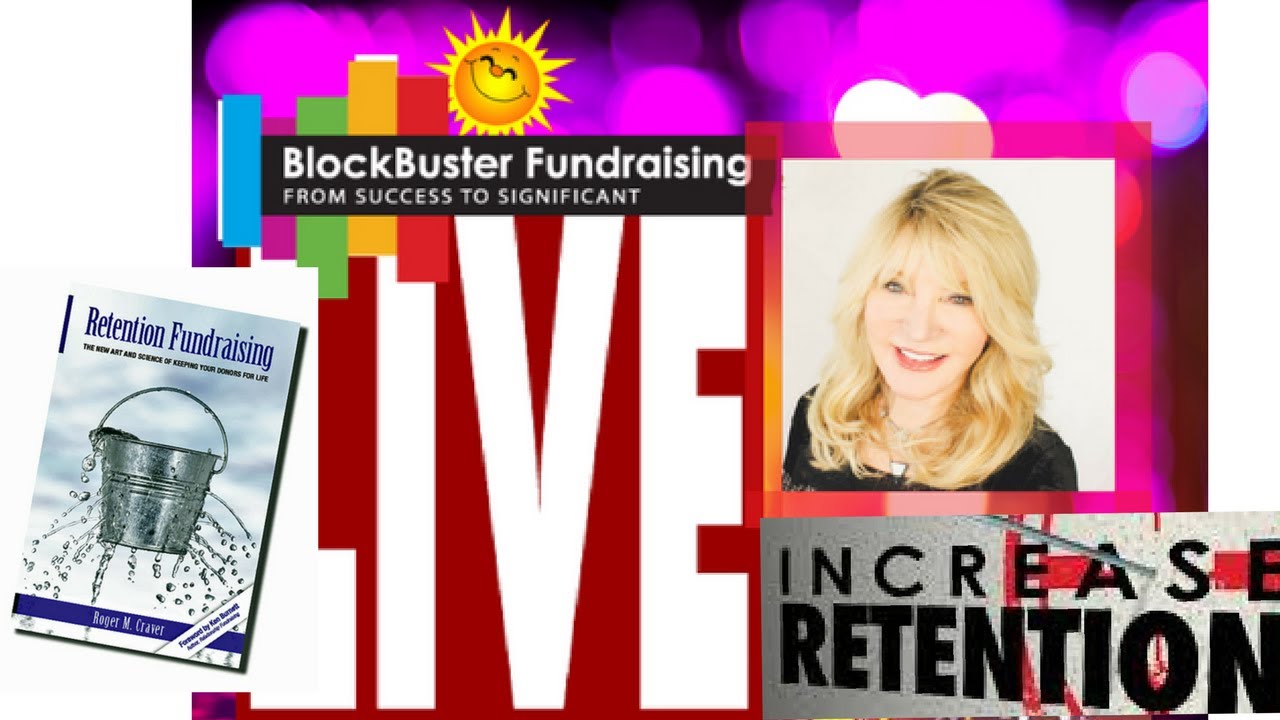
Retention Depends on Knowing Your Donors!

– Retention Fundraising

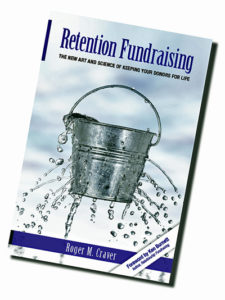
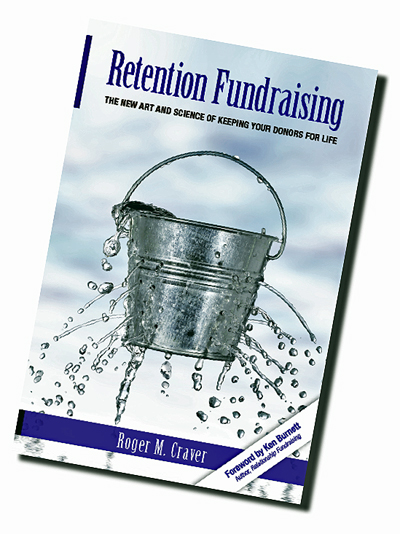
Now that you know how important keeping your donors is for achieving your fundraising goals, let’s explore how to make sure your donors stick around. In Roger Craver’s book, Retention Fundraising, he conducted research to find out what makes drives donors to give.
The seven key drivers for donors

Here are the seven most important reasons, in order, that your donors choose to give to your organization.

#1 – Your donors believe you are achieving your mission. This means you have shared information with them about your successes and the impact of your programs.
#2 – Your donors know what to expect from you. You are consistent, reliable, and trustworthy.
#3 – Your donors receive timely thank you’s. This helps them to feel important to the mission and valuable to your organization.
#4 – Your donors feel they can express their opinion. You are personable and reachable. Your communications with them do not feel automated and cold.
#5 – Your donors feel they are a part of your cause. You made them the hero.
#6 – Your donors feel appreciated. You’ve taken the time to get to know them and made them feel special.
#7 – You are getting information to them that shows their impact. They feel they are doing something important.
Based on this research it is clear that the most important thing we can do is communicate with our donors! Thank them, tell them how they are impacting your mission, make sure they know they are contributing to a vital need.

How to Dominate Direct Mail

How to Dominate Year-End Direct Mail

Success in direct mail cannot be achieved through a great letter alone. Even if you have the most compelling story written in an impeccable, easy to read letter, it won’t do you any good if it is not read by your supporters. This is why understanding direct mail is so important.

Direct Mail Tips and Tricks

Tune Your Timing

It is very important that your timing is right. At times during the year, there is a lot of mail in boxes everywhere – holiday cards, Black Friday deals, Memorial Day, Labor Day, and more! Make sure that your mail piece hits at the best time possible and stands out from the rest.

Expert Help

Make sure you are working with your mail service people. You need to discuss schedules, exact dates of when you want your pieces to drop, and really get in sync. The last thing you want to do is think you have everything ready to go on time and find out that your piece will take an extra several weeks to mail. It could very easily be a very busy year for them too!

Details, Details, Details

Make sure you have a very detail oriented assistant or team of people to help you look over your package and check every detail. This includes the letter itself, but also the reply card, envelope, mailing list, and anything else you are including. More eyes are the best policy to avoid mistakes!

Donor’s Eyes

Look at your direct mail piece as your donor will look at it. Remember your primary objective – what do you want them to do. Have you asked them often enough? Does your #1 benefit hit your donor right between the eyes? Have you made it clear what you want them to do and how they fit into your organization?

First Impressions

Does your mail piece encourage your donors to open it right now? Is it exciting? Try using colored envelopes or putting a short phrase on the envelope that will make your donors want to open it up right away. Obviously, make sure all of your donor’s information is correct on the envelope as well.

Reply Card

Include a reply card! Is your response device in your letter and does it include a summary of your letter? Without a response device, your supporters won’t be able to easily send in their donations. They may not even realize you are asking for a response at all.


BBF Reviews: “The 11 Questions Every Donor Asks & The Answers All Donors Crave”


Wanna know what your Donors Want to Know? Sure You do! Today we review Harvey McKennon’s book, “The 11 Questions Every Donor Asks & The Answers All Donors Crave” to give your new donor insights! Stand by!